Wi-Fi that reaches every meter and the devices behind them
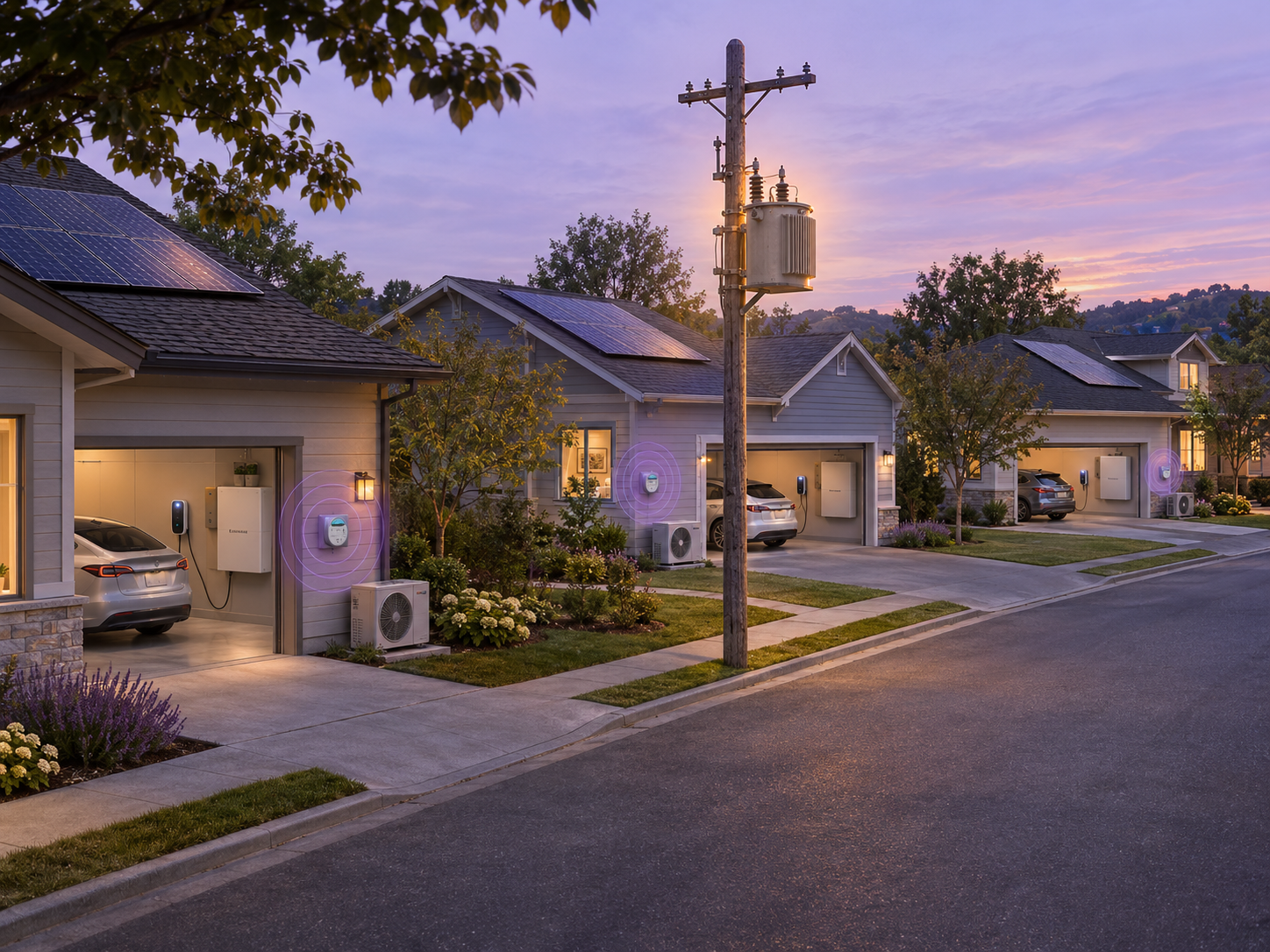
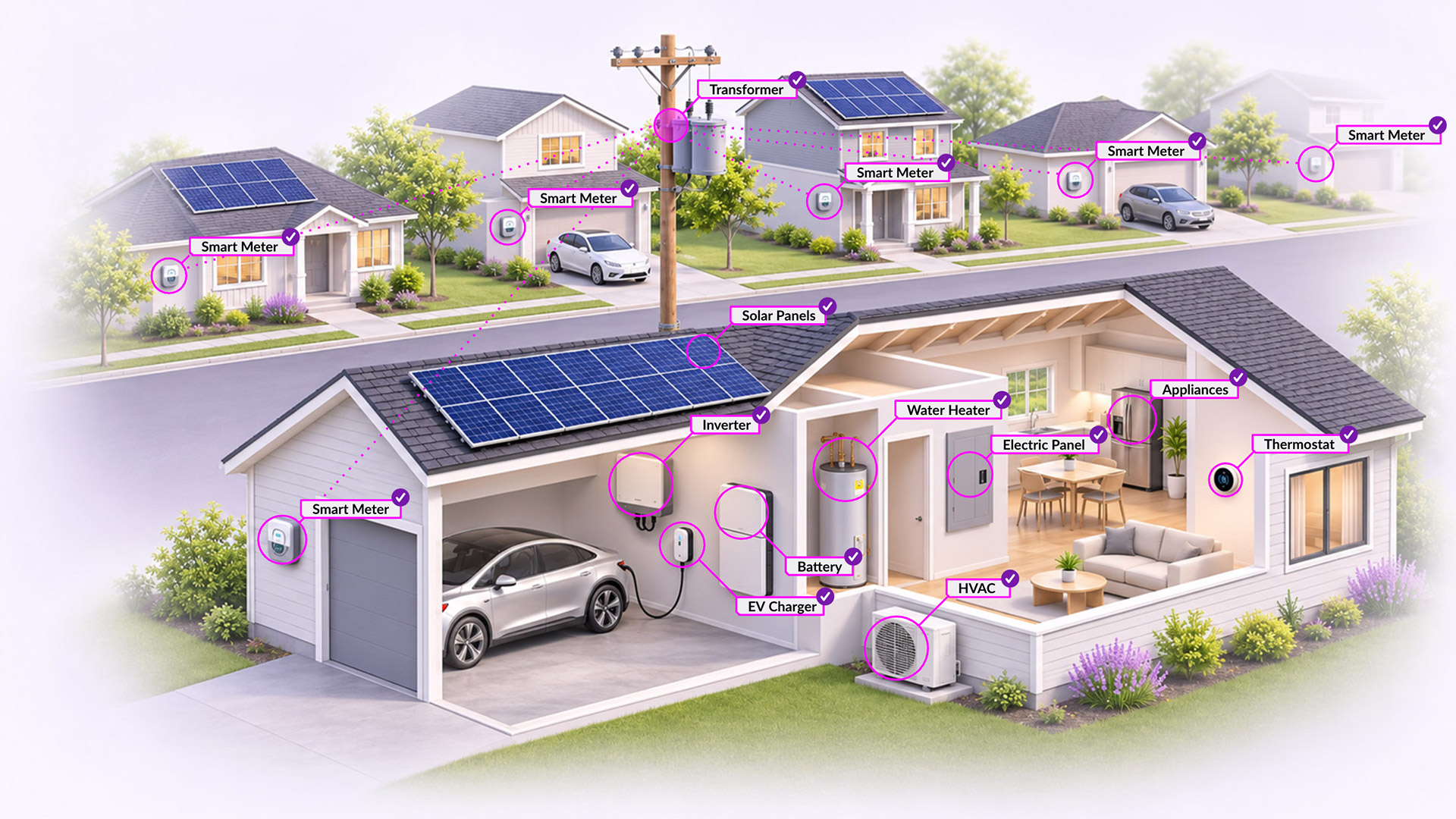
Wi-Fi HaLow connects smart meters, the neighborhood around them, and the EV chargers, solar, batteries, and heat pumps inside the home, on one standards-based Wi-Fi network.
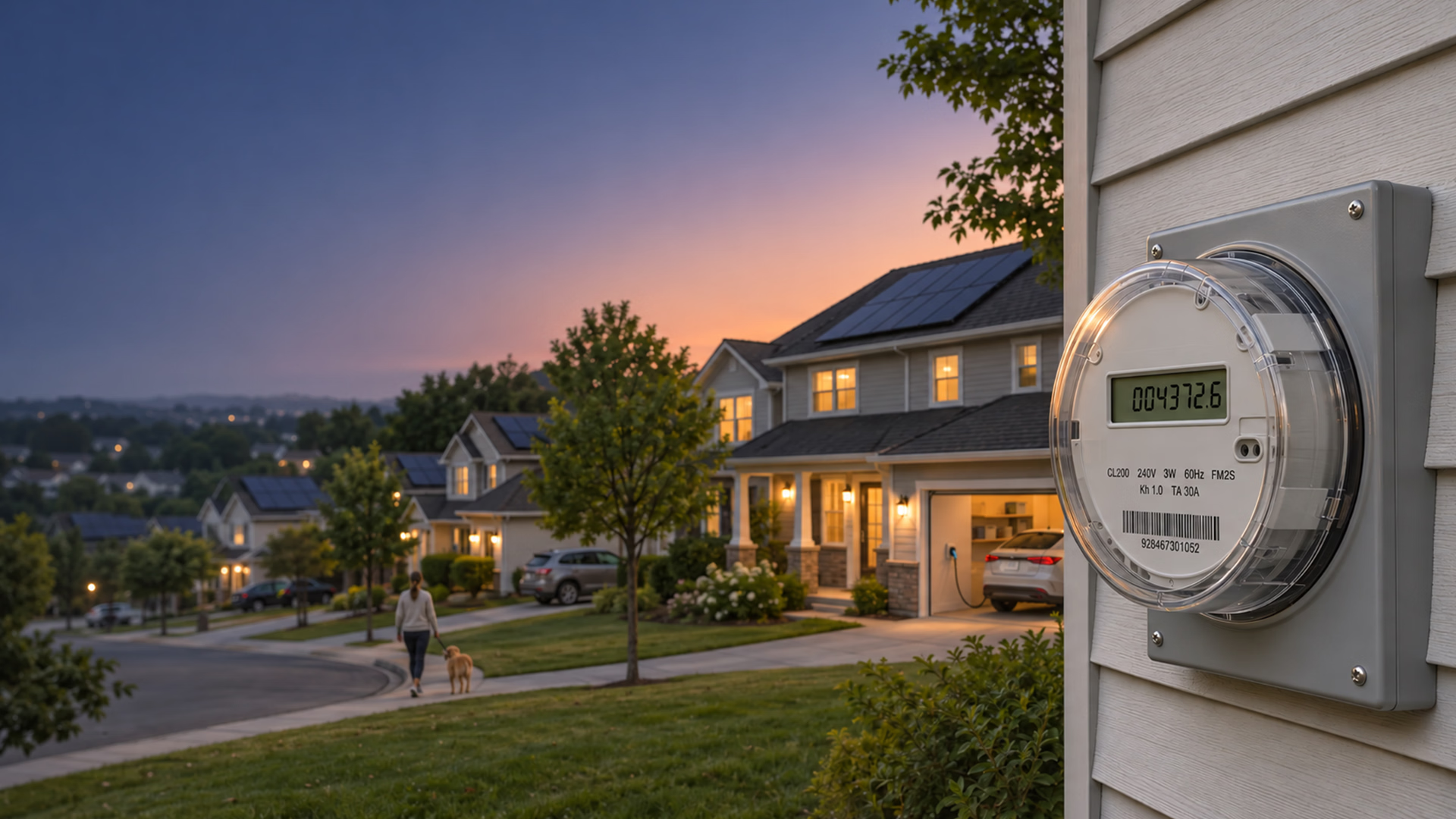
Wi-Fi HaLow connects the grid edge, from the neighborhood to in-home.
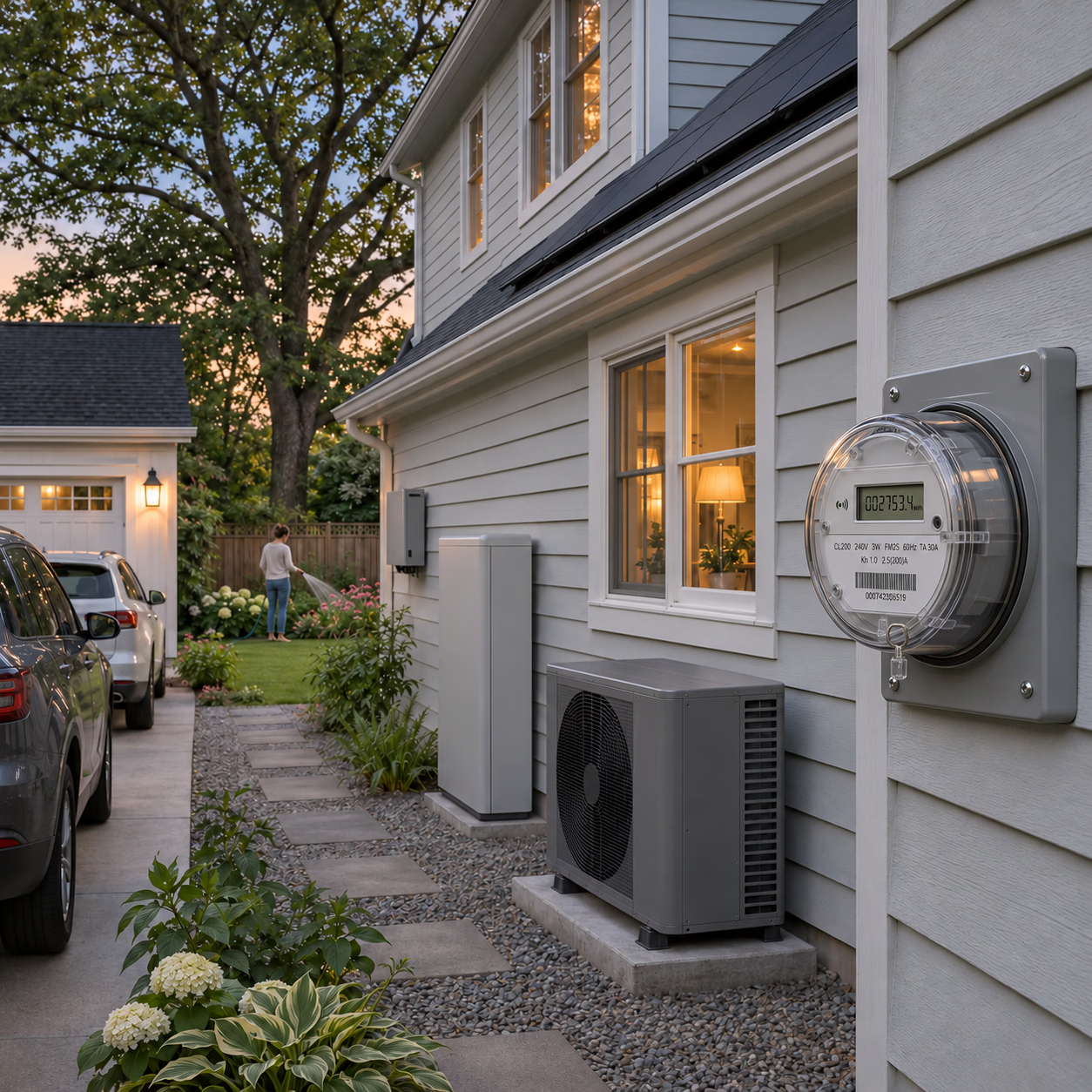
Distributed energy resources (DERs)
EV chargers, solar inverters, home batteries, heat pumps, and water heaters behind the meter, connected directly to the meter giving the utility visibility of the loads that shape the grid. Meters with Wi-Fi HaLow can reach devices wherever they are on the property.
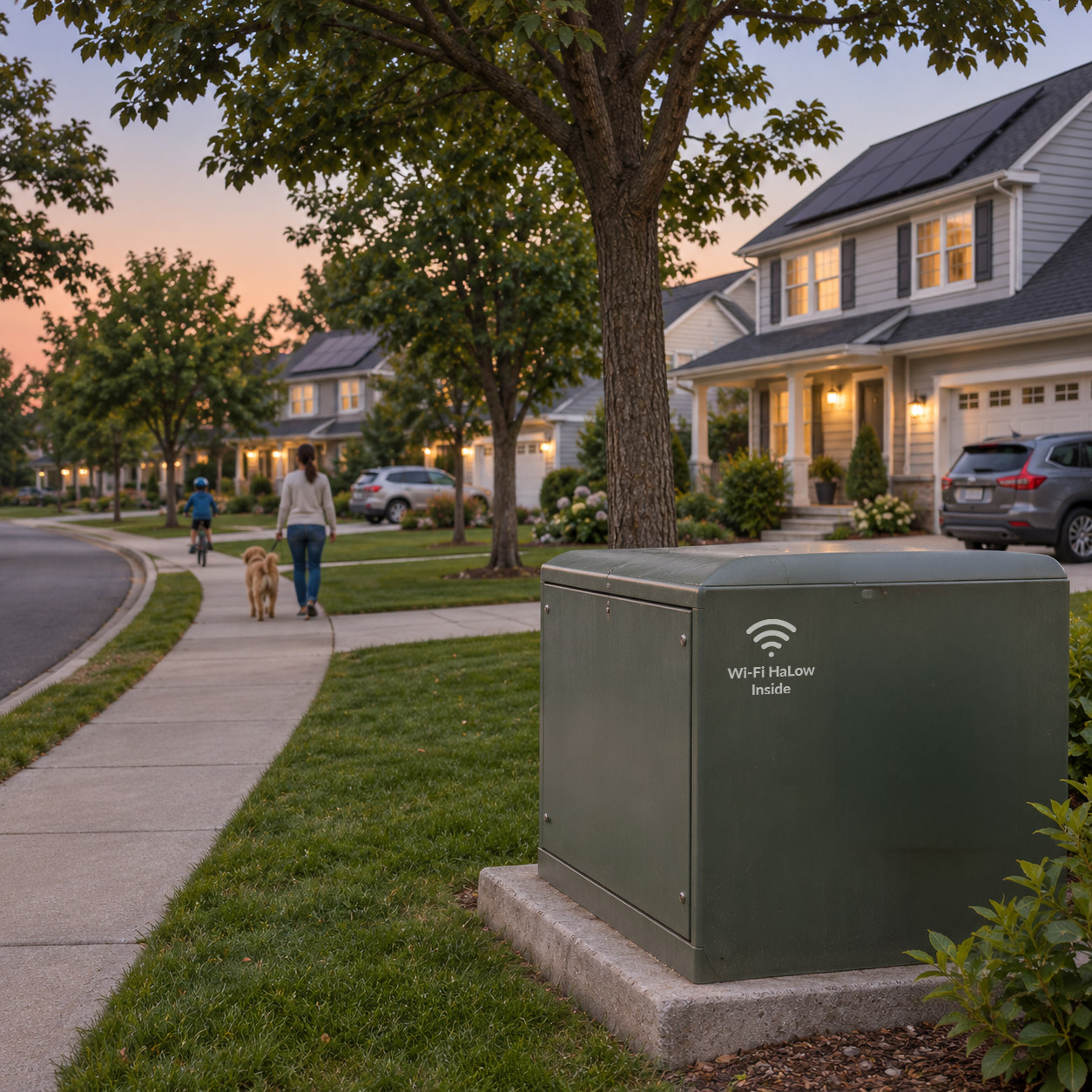
Meter and neighborhood area networks
Meters connected to each other and to a take-out point at the transformer, with the bandwidth for firmware updates and edge applications across every home on the street.
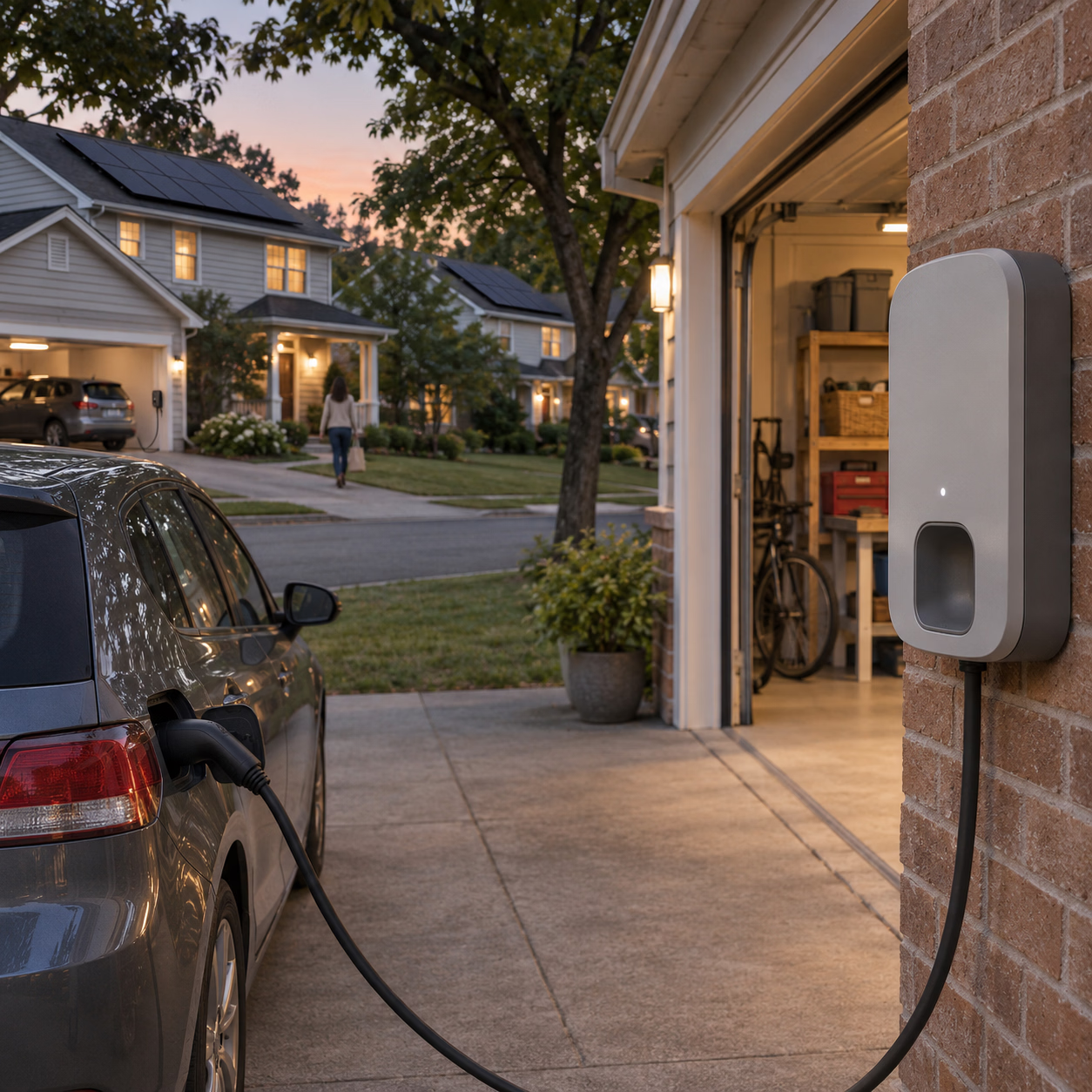
Faster response to changing demand
Balance EV charging and rooftop solar at the transformer, shift or curtail loads during peaks, and push new applications to meters as demand grows, with the speed and bandwidth AMI 2.0 needs.
The visibility and response gap
EV chargers, heat pumps, rooftop solar, and home batteries now shape how much power a street draws or exports, and most of them sit behind the meter, out of the utility's view. Meter networks built for billing reads run at kbps rates, too slow for near real-time response. Cellular adds a subscription to every device, and home Wi-Fi sits outside the utility's control.
Wi-Fi HaLow closes the gap: sub-1 GHz reach from the meter into the home and across the neighborhood, with Mbps data rates and WPA3 security, alongside the meter's existing connection to the utility.
(proprietary, Wi-SUN)
(Sub-1 GHz)
(LTE-M, NB-IoT)
(Wi-Fi 4, 2.4 GHz)
(tens of meters per hop)
(tens of meters indoors)
at reduced data rates
(Wi-SUN FAN 1.0);
up to 2.4 Mbps (FAN 1.1)
no local network
but outside utility control
The grid needs faster data from every meter and the devices behind it
First-generation smart meters report usage a few times a day. This was enough for billing and outage alerts, but not for managing a grid with growing solar, battery, and EV load.
AMI 2.0 meters run applications at the grid edge, from fault and transformer-load detection to DER visibility, and need near real-time data to deliver them. Wi-Fi HaLow gives those meters the bandwidth and the reach into the home, alongside their existing connection to the utility.
What Wi-Fi HaLow delivers for energy management
Whole-home reach from the meter
Sub-1 GHz signal reaches the garage, roof, and basement, with no extenders.
Bandwidth for AMI 2.0
Mbps data rates for firmware updates, edge applications, and near real-time data.
One radio, two networks
Meter to meter across the neighborhood, and meter to device inside the home.
Keep local traffic local
Meters under one transformer share data locally, easing backhaul load and cellular costs.
Built in or added on
Design Wi-Fi HaLow into new meters, or add through swappable RF modules where meters allow.
Open, secure, self-deployed
WPA3 and native IP, carrying energy protocols like IEEE 2030.5, with no vendor lock-in.
One network, from the meter into the home
Meters, the neighborhood around them, and the energy devices behind them, all on one secure network. Visibility at the grid edge, without a separate network for each layer.
Built and backed by the Wi-Fi we all know and trust.
Defined by the IEEE
Wi-Fi HaLow is based on the 802.11ah standard, defined by the Institute of Electrical and Electronics Engineers (IEEE), the same body behind every generation of Wi-Fi.
Certified by the Wi-Fi Alliance
Wi-Fi CERTIFIED HaLow is certified by the Wi-Fi Alliance, the global industry association that promotes interoperability, security, and consistent performance across Wi-Fi products.
Tested by Morse Micro
As a Wi-Fi Alliance approved Wi-Fi HaLow testbed vendor, Morse Micro helps companies test, validate and refine their Wi-Fi HaLow products in preparation for certification.
Building with Wi-Fi HaLow
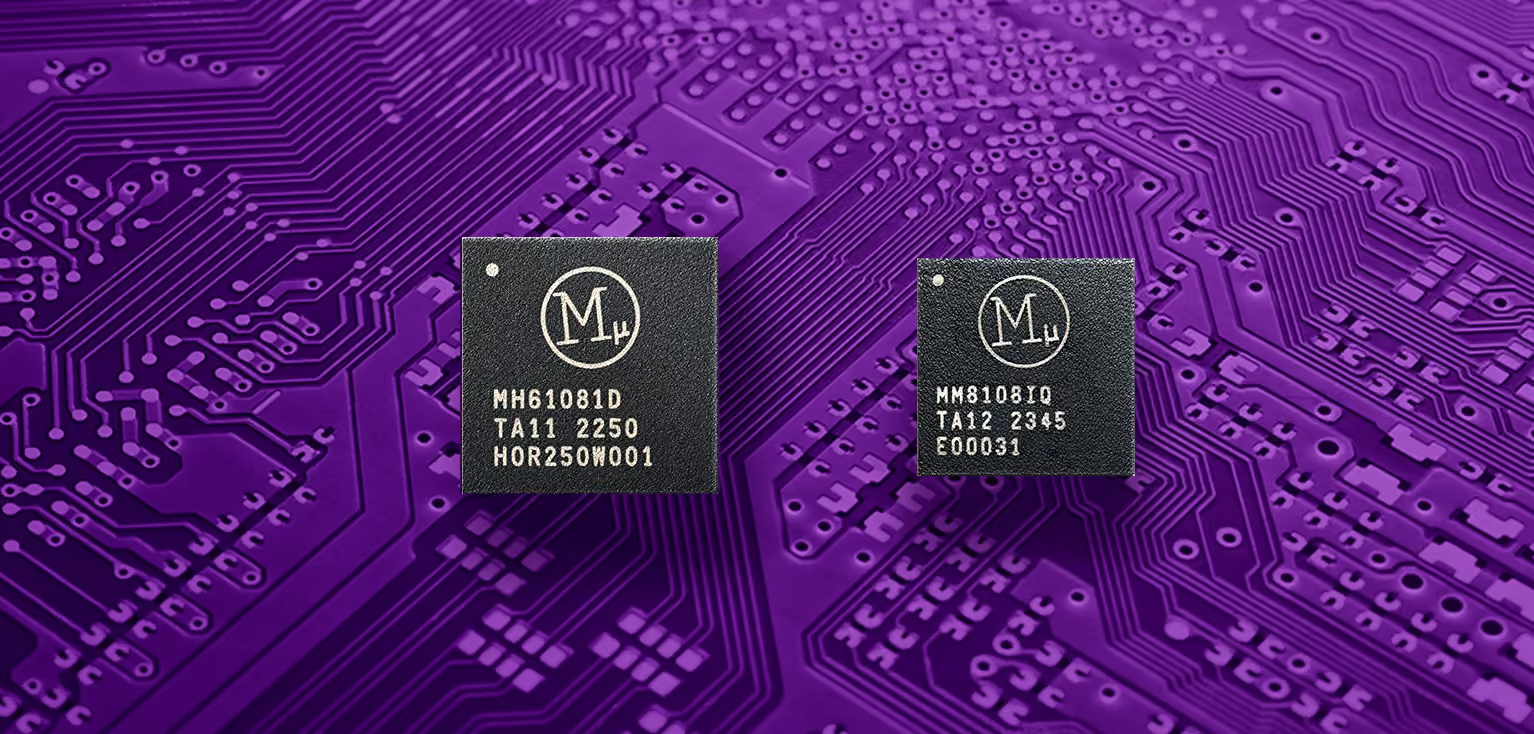
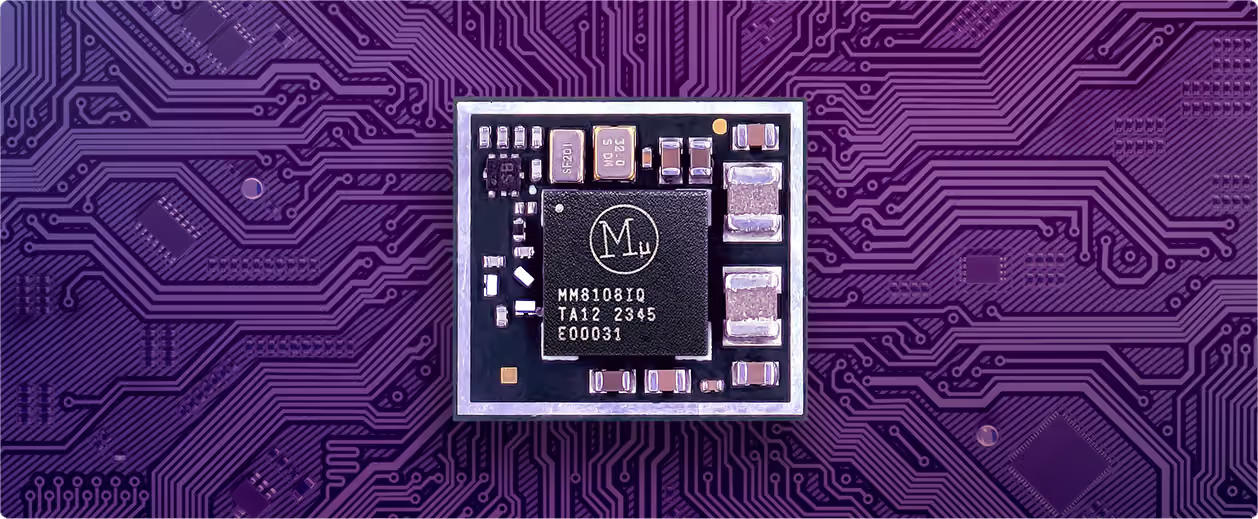
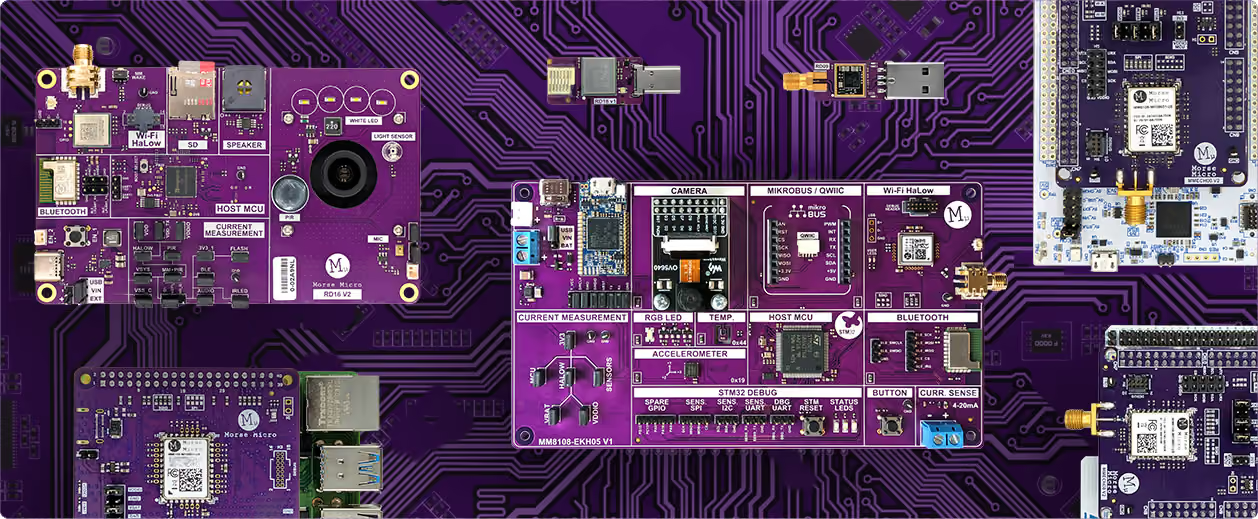
Whether you’re looking to build our chips or modules into your next product, testing with our eval kits and reference designs, or looking for a finished product to take to market, we have a Wi-Fi HaLow option for every stage.